

 search


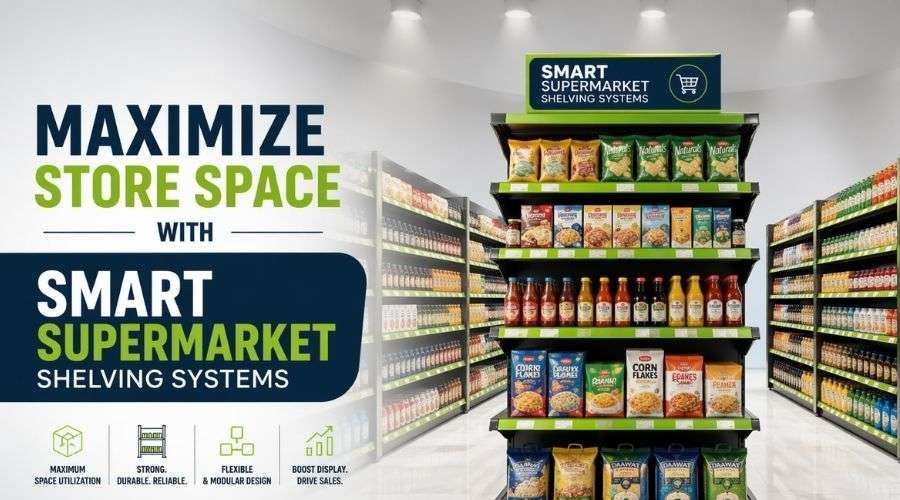
Each square meter of a supermarket is valuable, and using it efficiently can directly impact profitability. Wasted or poorly organized space often leads to missed sales opportunities and reduced customer engagement. Smart shelving systems help store owners and managers fully utilize aisles, corners, and wall areas in a structured and strategic way. These systems are not just designed for product storage; they play a key role in guiding customer movement throughout the store.
Well-planned shelving improves product visibility, encourages impulse buying, and enhances the overall shopping experience. As a result, businesses can increase sales performance while maintaining a clean, organized, and professional store layout.
Shelving is one thing that most shoppers do not see. They notice products. However, it is the shelves that make things visible, available, and attractive. Shoppers are confused by poor shelving setups. Jumbled shelves are crammed with items and appear unsightly. Unutilized space indicates a lack of planning for the customers, although they are unable to explain why.
Ready to optimize your retail space? Invest in smart shelving systems
A proper shelving system will keep a store organized and easy to navigate. They enable more products to be shown off in less space. They save time as the staff does less restocking. And they help to keep it all tidy and presentable. Shelving is not furniture to the supermarket owners. It is an essential component of the store's commercial infrastructure.
Not all shelving systems are the same. There are various types of shelves required in various sections of a supermarket. Knowledge of alternatives assists store managers in making improved layout and investment decisions.
Gondola Shelving
Gondola shelving is the most common type in supermarkets. It is composed of freestanding units that could be located anywhere on the shop floor. Both sides of them have adjustable shelves. This renders them perfect in the middle of a store where customers can move around them and tap into products on both sides.
Gondola shelving is custom-built. Long runs can be achieved by connecting units end-to-end. The heights, depths of the shelves, and gaps between shelves can be adjusted. Gondola systems are adaptable to nearly every type of product.
Bulk Supermarket Shelving Solutions for Retail Chains & Distributors
Wall Shelving
Wall shelving is featured alongside the store. It takes advantage of the wall's maximum height to maximize the vertical space. Wall shelving works well for products that must be in visible areas or benefit from being at eye level. Wall runs are commonly used to display fresh produce, dairy, and beverages.
Wall shelving systems allow stores to occupy space that would otherwise be unused. Stock on a well-merchandised perimeter wall can accommodate a large amount of stock without taking up floor space.
End Cap Shelving
End caps are shelves placed at one end of each gondola aisle. They are facing the major walkways and are highly trafficked. The best display space is the end caps. Items here are visible to almost all the customers who enter the store.
Good utilization of end caps can drive significant sales through product features. End cap shelving is typically designed to be attractive and easy on the eye, and offers good product visibility at a distance.
Refrigerated Shelving Units
Refrigerated display cases are a form of chilled shelving system designed specifically to display cold or frozen foods. Open-front refrigerated shelving suites help access products on shelves without compromising the desired temperature.
The layout and positioning of refrigerated shelving affect energy efficiency. Having refrigeration units clustered along a single wall reduces the energy required to maintain temperatures. The recent refrigerated coolers offer shelving with doors and efficient lights with less energy usage as compared to the older designs of open front shelves.
Specialty and Bulk Shelving
Certain types of products require a purpose-built shelving system. The stepped or inclined shelving is common in bread and bakery products, as each product must be seen clearly. Loose product bulk bins, such as nuts, grains, and dried fruits, are served by using open-top containers mounted on a frame system. Angled shelving is frequently used in wine and spirits to allow customers to read the labels on the bottles.
The correct shelving products are not the whole solution. How they are arranged in the store has just as much impact on space efficiency and sales performance.
What Do Buyers Look for When Selecting Supermarket Shelves?
Start with Traffic Flow
Customers enter a store and are inclined to move in a particular direction. Most markets have shoppers walking to the right upon entry. Store designs must also be arranged to guide customers as far into the store as possible before they reach the checkout.
Shelving runs must be arranged to form major aisles, and secondary aisles must break off them. Too small aisles are crowded and deter customers. Too large aisles occupy unnecessary floor space.
Make Good Use of Vertical Space
In most supermarkets, the higher parts of the shelves are not utilized. Customers who are casually browsing products are less likely to take up products that are beyond their age. Nevertheless, this space is not completely useless to slower-moving items, bulk, and the categories to which one is certain of what they want and can look up.
Adjustable shelving systems enable the shelves to be raised to suit each product type. Shelves require a larger space between tall products. Shorter products can be placed on shelves that are closer together. With each centimeter of vertical space utilized, this will result in a considerable growth in total display capacity.
Avoid Dead Zones
Dead zones are areas within the store with low customer traffic. These are normally the rear corners and the extreme ends of minor aisles. The Smart shelving system reduces dead space by designing the store to attract customers throughout the store.
Stocking perishable or higher-end items such as dairy, bread, and drinks at the back of the store or towards the far-right side encourages customers to walk through more of the store. This increases the likelihood of impulse purchases while driving.
Group Products Logically
Customers are category and occasion shoppers. The shelf arrangement must reflect customers' thought processes during shopping. Breakfast items together. Snacks near beverages. Infant products are in a special section. Logical grouping of product categories will make it easy for customers to find what they need and increase the likelihood that they will pick up more products in the same section.
Permanent, nonreconfigurable shelves become an issue when product lines shift. Supermarkets periodically update their product mix. Different display settings are required for season reports. New products require space. Discontinued products create gaps.
Adjustable shelving systems can help managers adjust the height and position of shelves without replacing entire units. This is a financial strength of the operation. It saves the expense and inconvenience of store resets. It also enables the store to respond promptly to product size changes, supplier replacement ranges, or seasonal displays. The minor extra expenditure on a good adjustable system quickly recoups with lower reset costs and improved product display in the long term.
Supermarket shelving is heavily used. There is continuous stacking and unstacking of products. Shelf wiping is done frequently. Occasionally, the trolleys and pallet jacks come in contact with the gondola bases.
Steel Shelving
Gondola systems in supermarkets are made of steel. It is robust and can be cleansed effortlessly. Steel shelving of good quality, which has a powder-coated finish, does not rust or damage its surface. Load ratings are to be verified before purchase. Bowing or deforming shelves during loading is dangerous and unprofessional.
Wire Shelving
This shelving is used in areas where ventilation is important. Products like fresh produce and, to a certain degree, bakery products enjoy the airflow. Cleaning is also easy, as the wire shelving allows debris to fall through rather than accumulate on a solid surface.
Wood and Composite Shelving
Certain supermarket formats use wooden or wood-like shelves in specialty stores such as wine, cheese, and high-quality produce. Such materials produce a warmer and high-end appearance. They cannot withstand the wear and tear of steel and fall short in durability, but they meet the aesthetic needs of some store formats quite well.
Supermarket vs Bakery: Food Display Racks Pros, Cons, and Recommendations
Good lighting and a smart shelf are linked. Well-lit products look more appealing. LED strip lights on shelves draw attention to products in close ranges and produce a brighter, more welcoming display. Internal LEDs of refrigerated shelving devices enhance product visibility much better than the older fluorescent systems. They also consume less energy.
In the case of shelves that are not fridges, overhead track lighting floods the gondola flows to enhance visibility and eliminate shadows and dark corners. The lighting plan should also be thought of when laying out the shelving. Both are to collaborate to ensure a well-lit shopping experience throughout the store.
The best shelving system can only be worsened if it is not maintained regularly. Shelves must be examined frequently and also checked on whether they are damaged, sinking, or not level. Shelf clips and brackets that are broken must be replaced. Failure to use a shelf under loading poses a safety risk and breaks stock.
Cleaning takes care of not only the shelf surfaces, but also the shelving frames and uprights. Bracket slots and the bottom of gondola units accumulate dust and debris. Frequent washing will make the store appear professional and lengthen the lifespan of the shelving system.
Smart shelving systems in supermarkets play a major role in converting available space into higher sales performance. When store layouts are carefully planned with proper shelving arrangements, efficient use of vertical space, and durable materials, every section of the store begins to work more effectively. This approach not only improves product visibility but also helps in better organization and smoother customer flow.
Selecting the right shelving system requires thoughtful planning based on product type and store design. With regular maintenance and smart positioning, the overall result is a more efficient store operation where customers can shop comfortably and businesses can achieve better sales outcomes.
When you own or
READ FULL